
Trends in the Café & Brunch Industry for 2025 and 2026
The café and brunch scene continues to evolve at breakneck speed, with 2025 bringing fresh opportunities for savvy operators. Consumer preferences have shifted dramatically since 2020, creating new demands that successful café owners must understand and adapt to. This post will show trends in the Cafe and brunch industry for 2025 and 2026.
Plant-Based Menu Expansion Takes Center Stage
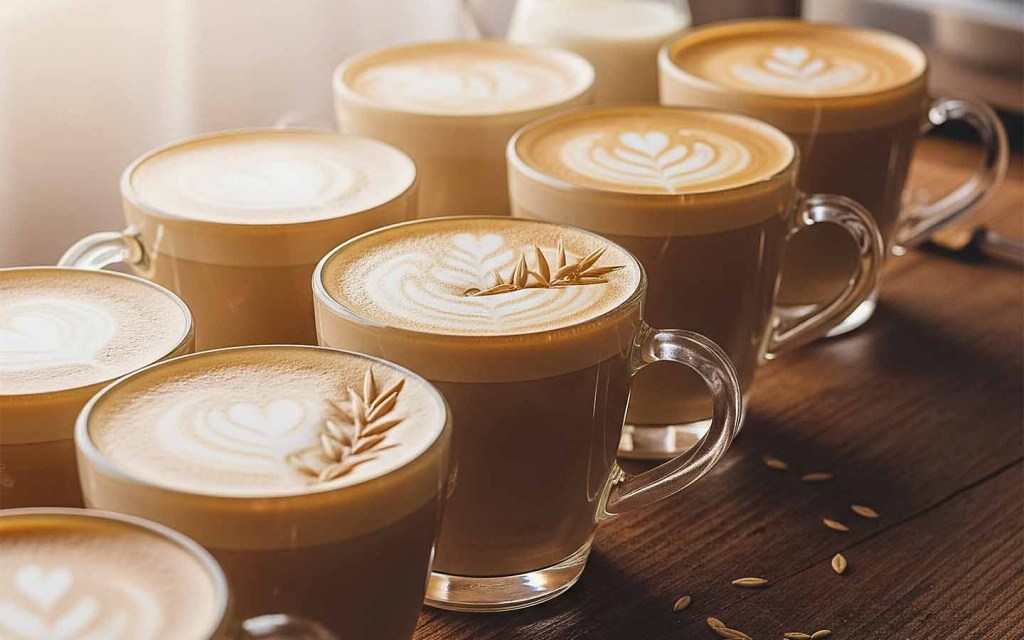
Plant-based options are no longer just an afterthought on café menus. In the coming months, expect to see entire sections dedicated to vegan and vegetarian brunch dishes that rival traditional offerings in both taste and presentation. Oat milk lattes have become the standard, but smart café owners are pushing further with innovative plant-based proteins, dairy-free cheese alternatives, and egg substitutes that actually taste good.
Successful cafés are creating Instagram-worthy plant-based dishes that appeal to all customers, not just vegans. Some of these include jackfruit benedict, cashew cream-based quiches, and avocado-based desserts that look as good as they taste. These options typically carry higher profit margins too, making them attractive from a business perspective.
Technology Integration Without Losing the Human Touch
QR code menus became commonplace during the pandemic, but 2025’s café technology trends go much deeper. Mobile ordering systems, loyalty apps, and contactless payment options are becoming standard expectations rather than nice-to-have features. However, the most successful cafés are finding ways to implement these technologies while maintaining the warm, personal atmosphere that customers crave.
Self-service kiosks for ordering are gaining traction in fast-casual café environments, but they’re being designed with user experience in mind. Rather than cold, impersonal machines, these systems feature intuitive interfaces with vibrant food photography and customization options that make ordering fun rather than frustrating.
The real game-changer is AI-powered inventory management systems that help café owners predict demand, reduce waste, and optimize menu pricing. These systems analyze historical sales data, weather patterns, and local events to suggest daily specials and ingredient orders. For smaller café operators, this technology levels the playing field with larger chains.
Sustainability Practices Become Non-Negotiable
Environmental consciousness among consumers has reached a tipping point. Cafés that haven’t already adopted sustainable practices will find themselves losing customers to competitors who have embraced eco-friendly operations. This goes beyond just offering paper straws and biodegradable takeout containers.
Zero-waste initiatives are becoming more sophisticated, with cafés partnering with local farms to donate coffee grounds for composting, implementing comprehensive recycling programs, and sourcing ingredients from suppliers with verified sustainable practices. Some forward-thinking café owners are even installing small-scale renewable energy systems to power their operations.
Local sourcing has evolved from a trend to an expectation. Customers want to know where their food comes from, and they’re willing to pay premium prices for locally-sourced ingredients. This creates opportunities for partnerships with nearby farms, bakeries, and specialty food producers. These relationships often result in unique menu items that competitors can’t easily replicate.
Experience-Driven Concepts Gain Momentum
The traditional café model of “grab coffee and go” is expanding to include experience-driven concepts that encourage customers to stay longer and spend more. Board game cafés, book clubs, live music venues, and co-working spaces integrated with food service are becoming increasingly popular.
These hybrid concepts create multiple revenue streams while building stronger community connections. This approach helps build customer loyalty that goes beyond just good coffee and food.
Themed brunch experiences are particularly effective for weekend traffic. Pop-up brunches featuring specific cuisines, decade-themed events, or collaborative dinners with local chefs create buzz on social media and give customers reasons to visit regularly.
Global Flavor Fusion in Brunch Menus
Traditional American brunch fare is getting a global makeover. Successful cafés are incorporating international flavors and cooking techniques to create unique menu items that stand out in crowded markets. Korean-inspired breakfast bowls, Middle Eastern shakshuka variations, and Japanese-style pancakes are appearing on menus across the country.

It is important, though, for businesses to prioritise authentic execution over superficial fusion. Customers can tell the difference between thoughtfully-crafted international dishes and random combinations of exotic ingredients. Café owners who take time to research and properly execute global flavors are seeing strong customer response and social media engagement.
Street food influences are particularly strong, with café versions of tacos, banh mi, and empanadas becoming popular brunch options. These items often have higher profit margins than traditional breakfast plates while offering customers something they can’t get at every other café in town.
Health-Conscious Options Without Sacrificing Indulgence
The health food trend has matured beyond basic salads and smoothie bowls. Today’s health-conscious café customers want options that are both nutritious and satisfying. This has led to creative approaches like protein-packed pancakes, superfood-loaded avocado toast, and guilt-free desserts made with alternative sweeteners.
Functional foods are gaining popularity, with menu items featuring ingredients like adaptogens, probiotics, and collagen. While some of these trends might seem like passing fads, cafés that can incorporate beneficial ingredients into genuinely tasty dishes are finding success with health-focused customers.
The challenge is creating healthy options that don’t feel like punishment. Successful cafés are using techniques like spiralizing vegetables into pasta alternatives, creating desserts with nut-based flours, and offering build-your-own bowl concepts that let customers customize their nutritional intake.
Flexible Space Design for Multiple Revenue Streams
Café design in 2025 prioritizes flexibility over fixed layouts. Modular furniture, moveable partitions, and multi-purpose spaces allow operators to adapt their venues for different times of day and types of events. Morning coffee service might transform into afternoon co-working space, which then becomes evening wine bar or event venue.
This flexibility extends to outdoor spaces as well. Parklets and rooftop terraces have become valuable real estate for cafés looking to maximize capacity without increasing rent. Weather-resistant furniture and heating/cooling solutions allow these spaces to generate revenue year-round.
The Rise of Artisanal Pancakes, Waffles, and Crêpes
Traditional breakfast staples are getting premium makeovers that command higher prices and generate social media buzz. Artisanal pancake mixes featuring unique grains like buckwheat, quinoa, and ancient wheat varieties are becoming standard offerings at upscale brunch spots. These alternatives appeal to health-conscious customers while providing interesting flavor profiles that differentiate your menu.
Belgian-style waffles remain popular, but cafés are expanding beyond basic toppings. Savory waffle applications like chicken and waffles, waffle sandwiches, and waffle-based eggs benedict create all-day dining opportunities. Crêpes are also experiencing a renaissance as Instagram-worthy menu items. Both sweet and savory applications work well, with galette-style buckwheat crêpes particularly popular for lunch service. The visual appeal of crêpe preparation often becomes part of the dining experience, with open kitchen concepts showcasing the cooking process.
Conclusion
The café and brunch industry in 2025 rewards operators who can balance innovation with authenticity. Success comes from understanding that customers want more than just good food and coffee , they want experiences, options that align with their values. The trends outlined here represent opportunities for café owners willing to evolve their concepts while maintaining the fundamental hospitality that makes great cafés special. The businesses that will thrive are those that view these trends not as passing fads but as reflections of deeper changes in consumer behavior and expectations.

Divine Nwodo
Crepe Nation Content Manager


