How to Scale a Waffle or Crêpe-Based Business with Minimal Staff
Running a successful waffle or crêpe business doesn’t require an army of employees. With smart systems, you can build a profitable operation that grows sustainably without the headaches and costs of managing large teams. In this article, we will explore ways you can scale your waffle or crepe based business with minimal staff.
Streamline Your Menu for Maximum Efficiency
The foundation of any lean operation starts with a well-designed menu. Instead of offering dozens of options that require different preparation methods and ingredients, focus on variations of core items that share common components. A successful waffle business might offer ten different waffle combinations using just five base ingredients and various toppings.
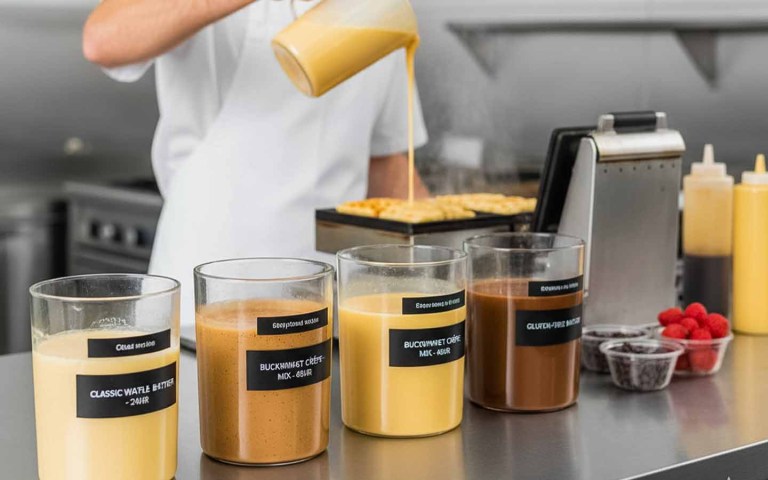
Pre-made batter systems are your best friend. Develop recipes that allow you to prepare large batches of waffle or crêpe batter that stay fresh for 24-48 hours. This eliminates the need to mix batter throughout the day and ensures consistency across all your products. Many successful operators prepare their batters the night before. This allows their morning staff to focus entirely on cooking and serving.
Consider offering “build-your-own” options rather than predetermined combinations. This approach reduces menu complexity while giving customers the customization they crave. You can price base items plus toppings separately, often resulting in higher average ticket values than fixed combinations.
Invest in High-Quality, Efficient Equipment
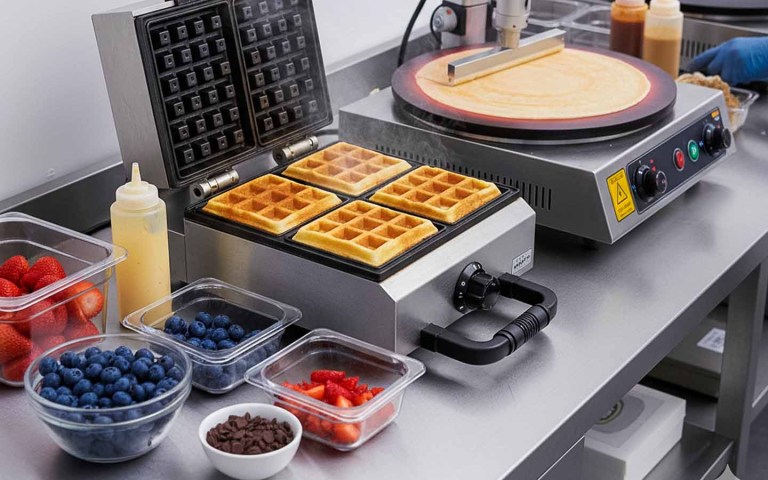
The right equipment can replace entire staff positions while improving product quality and consistency. Commercial-grade waffle makers with timer systems and automatic temperature control allow even inexperienced staff to produce perfect waffles every time. Look for models that can cook multiple waffles simultaneously. A double or triple waffle maker can significantly increase your throughput.
For crêpe operations, consider investing in electric crêpe makers with precise temperature controls. While traditional gas-powered crêpe stations might seem more authentic, electric models provide more consistent results and are easier for staff to master quickly. Some high-end models even include automated batter dispensers that ensure consistent portion sizes.
Prep equipment investments also pay dividends in labor savings. Food processors, commercial mixers, and ingredient storage systems that keep toppings fresh and easily accessible can eliminate hours of daily prep work. A well-organized prep station allows one person to handle what might otherwise require two or three staff members.
Implement Smart Ordering and Payment Systems
Modern point-of-sale systems do much more than process payments. Choose a system that integrates ordering, inventory management, and customer relationship management. Mobile ordering capabilities allow customers to place orders ahead of time, smoothing out rush periods and reducing wait times.
Self-service kiosks work particularly well for waffle and crêpe businesses because the ordering process is relatively straightforward. Customers can visualize their orders, make modifications easily, and pay without requiring staff interaction. This frees your team to focus on food preparation and customer service where human interaction adds real value.
Digital menu boards that can be updated remotely allow you to adjust pricing, highlight specials, or remove sold-out items instantly. This flexibility helps you optimize sales without requiring staff time to manually update signage throughout the day.
Develop Efficient Workflow Systems
Your kitchen layout and workflow processes have an enormous impact on staffing requirements. Design your space so one person can handle multiple stations efficiently. The ideal setup allows staff to monitor cooking equipment while preparing toppings and handling customer interactions.
Also, you can use batch cooking strategies. These strategies can dramatically improve efficiency during busy periods. Instead of making individual orders one at a time, group similar orders together. Cook multiple plain waffles or crêpes simultaneously, then add toppings assembly-line style. This approach reduces cooking time and allows you to serve multiple customers quickly.
Another requirement is pre-portioned ingredients. These ingredients are essential for speed and consistency. Portion out common toppings like fruit, whipped cream, and sauces at the beginning of each shift. Use squeeze bottles for sauces and syrups to ensure consistent portions and presentation. This preparation work allows your cooking staff to focus entirely on execution during busy periods.
Smart Staffing and Cross-Training Strategies
- Hire versatile staff who can handle multiple roles rather than specialists. Every team member should be able to take orders, operate cooking equipment, handle payments, and maintain cleanliness standards. This flexibility allows you to operate with fewer people while maintaining service quality.
- Create detailed standard operating procedures for every aspect of your business. Document everything from batter preparation to customer service scripts. Well-written procedures allow new staff to become productive quickly and ensure consistency regardless of who’s working. Include photos and step-by-step instructions that eliminate guesswork.
- Consider implementing performance incentives that reward efficiency and quality. Staff who can maintain high standards while working independently are worth paying premium wages. The cost of higher wages is typically much lower than the cost of additional staff positions.
Leverage Technology for Inventory and Operations Management
- Automated Inventory Systems: These are systems that track ingredient usage and alert you when supplies run low. This eliminates the need for manual inventory counts and reduces the risk of running out of popular items during busy periods. Some systems can even automatically place orders with suppliers when inventory hits predetermined levels.
- Kitchen display Systems: They replace traditional paper tickets with digital screens that organize orders, track preparation times, and automatically archive completed items. These systems reduce errors, improve kitchen efficiency, and provide valuable data about service times and popular items.
- Energy management systems: These systems can optimize equipment usage to reduce utility costs while ensuring consistent product quality. Programmable equipment that preheats automatically and maintains optimal temperatures throughout service hours eliminates the need for constant staff monitoring.
Focus on High-Margin, Easy-to-Prepare Items
- Beverages: Beverages often provide higher profit margins than food items while requiring minimal preparation. Coffee, specialty drinks, and fresh juices pair naturally with waffles and crêpes while boosting average ticket values. Consider partnering with local coffee roasters or juice suppliers to offer premium beverages without investing in expensive equipment or extensive training.
- Retail items: Items like packaged batter mixes, branded merchandise, or locally-made products can generate additional revenue without requiring additional labor. Customers often purchase these items on impulse, and they provide marketing value when used at home.
- Catering and large-order services: These can significantly increase revenue during slower periods. Develop standardized catering packages that can be prepared efficiently and transported easily. Office breakfast deliveries and event catering often command premium prices while utilizing your existing equipment and ingredients.
Build Systems That Scale
- Documentation: Document everything about your operation so you can replicate your success at additional locations. Create operations manuals, training programs, and supplier relationships that can support multiple locations without proportionally increasing management overhead.
- Financial controls and reporting systems: Implement daily sales reporting, food cost tracking, and labor cost monitoring that provide real-time visibility into your business performance. This data helps you make informed decisions about staffing levels, menu pricing, and operational improvements.
- franchise or licensing opportunities: Many successful waffle and crêpe concepts have expanded rapidly by teaching others to replicate their efficient operations rather than trying to manage numerous company-owned locations.
Conclusion
Scaling a waffle or crêpe business with minimal staff requires systematic thinking and smart investments in equipment and processes. Success comes from optimizing every aspect of your operation to maximize efficiency while maintaining the quality that differentiates your business from competitors.


